How Pregnancy Can Influence Gum Disease Treatment Needs
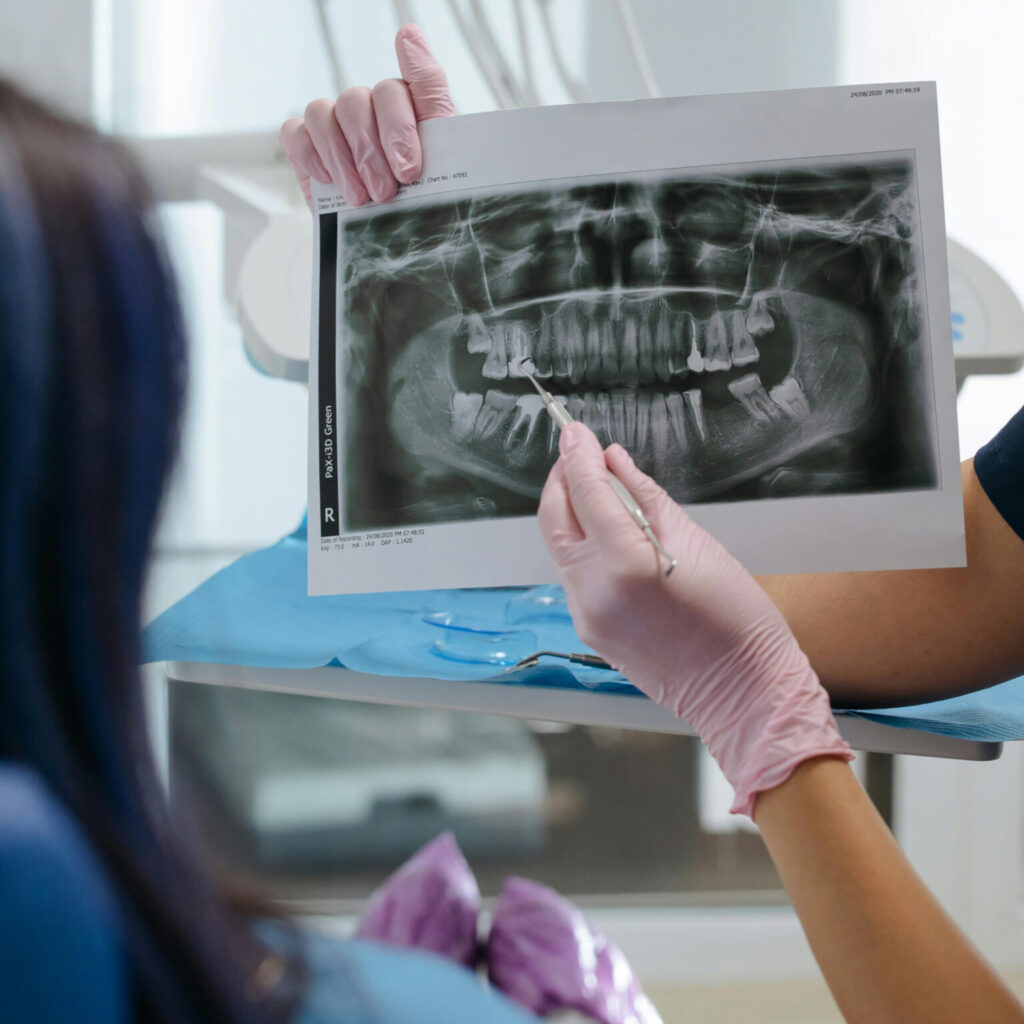
Pregnancy changes the mouth in ways many people do not expect. Most attention, understandably, goes to nausea, fatigue, food cravings, back pain, swelling, and the long list of routine prenatal checks. Gum health often falls lower on the priority list until bleeding starts during brushing or a familiar flossing routine suddenly leaves the sink streaked pink. That shift can be mild and temporary, https://www.google.com/maps?cid=18093465857196756038 or it can expose a deeper periodontal problem that needs prompt care.
Dentists and hygienists see this pattern often. A patient who had only slight inflammation before pregnancy may develop pronounced puffiness along the gumline by the second trimester. Another may come in worried about bleeding and discover that the issue is straightforward pregnancy gingivitis, manageable with careful cleaning and consistent home care. Someone else may arrive with mobile teeth, deep pockets, and infection that clearly predated conception but intensified once hormone levels changed. Those cases do not all require the same response, which is exactly why pregnancy can influence gum disease treatment needs so much.
The short version is that pregnancy does not automatically cause gum disease, but it can make existing gum problems easier to trigger, easier to notice, and sometimes harder to control without professional support. Treatment decisions also shift because dentists weigh the mother’s comfort, the stage of pregnancy, the urgency of infection control, and what can be safely postponed.
Why the gums react differently during pregnancy
The hormonal environment of pregnancy affects the vascular and inflammatory response throughout the body, including the gingival tissues. Higher levels of estrogen and progesterone can make gums more reactive to plaque. A small amount of bacterial buildup that might have caused only mild irritation before pregnancy may now lead to noticeable redness, swelling, tenderness, and bleeding. This is one reason pregnancy gingivitis is so common.
There is also a practical side to it. First trimester nausea can make brushing difficult, especially along the molars. Some patients tell me they can only tolerate mint-free toothpaste for several weeks. Others switch to quick, shallow brushing because the gag reflex becomes so strong. If frequent vomiting enters the picture, acid exposure adds another layer of irritation. On top of that, snacking patterns often change. More frequent eating means more opportunities for plaque to accumulate if oral hygiene slips even a little.
Dry mouth can make the situation worse for some people, while others notice thicker saliva or a persistently unpleasant taste that leads them to brush less thoroughly. Fatigue matters too. When a person is exhausted, even good habits can become inconsistent. None of this reflects poor motivation. It reflects how disruptive pregnancy can be to ordinary routines.
These changes help explain why gum inflammation can accelerate during pregnancy, but they do not mean every bleeding gumline points to serious periodontal disease. The distinction matters because gingivitis and periodontitis are not the same condition, and the appropriate Gum Disease Treatment depends on which one is present.
The difference between pregnancy gingivitis and periodontitis
Pregnancy gingivitis is inflammation limited to the gums. The tissue may look shiny, swollen, and darker pink or red, and it often bleeds with brushing or flossing. It can be uncomfortable, but at this stage the supporting bone and connective tissue around the teeth have not been permanently destroyed.
Periodontitis goes further. It involves infection and inflammation that damage the structures holding teeth in place. Pockets form between the gums and teeth, bone levels can drop, and over time teeth may loosen or shift. Pregnancy does not create periodontitis out of nowhere overnight, but it can bring an underlying problem into sharper focus. In other words, pregnancy often acts as a stress test for the gums.
This distinction affects treatment planning. Gingivitis may improve substantially with a professional cleaning, better plaque control at home, and closer follow-up. Periodontitis usually requires more involved Gum Disease Treatment, such as scaling and root planing, periodontal maintenance, localized antimicrobial measures in selected cases, and careful monitoring of pocket depths and bleeding points. If the disease is advanced, the dental team may need to coordinate timing and priorities differently during pregnancy than they would otherwise.
What symptoms deserve prompt attention
Many pregnant patients assume bleeding is normal and temporary, so they wait it out. Mild gum tenderness can indeed be common, but some symptoms suggest more than routine pregnancy gingivitis and should not be brushed aside.
- Bleeding that happens daily or with very light brushing
- Swelling that does not improve within a week or two
- Persistent bad breath or a bad taste in the mouth
- Pain when chewing, gum recession, or visible pus
- Loose teeth or spaces that seem to be changing
Those signs do not always mean severe disease, but they justify an examination. It is usually far easier to stabilize gum problems early than to manage them once deeper tissues are involved.
How dentists adjust treatment planning during pregnancy
The broad goals of periodontal care do not change during pregnancy. Dentists still want to reduce bacterial load, control inflammation, preserve supporting structures, and keep the patient comfortable. What Gum Disease Treatment changes is the timing, the pace, and the threshold for certain interventions.
Routine preventive cleanings remain important throughout pregnancy. For patients with increased inflammation but no attachment loss, a thorough prophylaxis and reinforcement of home care may be enough. For patients with deeper pockets or significant buildup under the gums, delaying care simply because the patient is pregnant can backfire. Active infection does not become safer by being ignored.
At the same time, treatment plans must respect trimester-specific realities. During the first trimester, some patients are dealing with constant nausea, dizziness, or food aversions that make long appointments difficult. In the third trimester, lying flat in the chair can become uncomfortable, and some patients develop positional lightheadedness from pressure on major blood vessels when reclined. Even when treatment is safe, practicality matters. A 90 minute appointment may look fine on paper and be miserable in practice.
That is why many clinicians favor shorter, well-targeted visits with clear priorities. If a patient has localized areas of moderate to heavy inflammation, those may be addressed first. If symptoms are widespread and the disease burden is substantial, treatment may be staged over multiple appointments. Communication with the obstetric provider can also be helpful when there are high-risk pregnancy concerns or medical complications such as hypertension, gestational diabetes, or clotting issues.
Timing matters, but not in the simplistic way many people think
Patients often hear that the second trimester is the best time for dental treatment. There is truth in that. Many people feel more comfortable then, morning sickness may have eased, and the abdomen is not yet causing the same degree of positional discomfort seen later on. But that rule of thumb can be misunderstood.
Second trimester is often the most convenient time for non-urgent dental care. It is not the only time treatment can happen, and it is not a reason to postpone necessary care in the first or third trimester. If someone has periodontal infection, significant swelling, or substantial pain, the priority is to control disease safely rather than to wait for a better calendar window.
From a real-world standpoint, the best treatment time is the earliest point at which a patient can reasonably tolerate care and the dental team can manage the problem effectively. That may be a brief debridement early in pregnancy for someone who cannot sit through much more. It may be a full quadrant scaling and root planing series in mid-pregnancy for someone with established periodontitis. It may also involve stabilizing the mouth during pregnancy and then scheduling more definitive periodontal therapy after delivery if surgical treatment is indicated and the disease is not rapidly progressing.
What Gum Disease Treatment may involve during pregnancy
Most periodontal therapy used during pregnancy is conservative and focused on infection control. The aim is to lower the inflammatory burden without exposing the patient to unnecessary procedures or medications.
- Professional cleaning above and slightly below the gumline when appropriate
- Scaling and root planing for areas with deeper periodontal involvement
- More frequent maintenance visits to keep inflammation controlled
- Individualized home care instruction, often with changes for nausea or sensitivity
- Targeted use of medications only when clearly indicated and appropriate
Scaling and root planing deserves special mention because many pregnant patients are told they should wait for anything beyond a basic cleaning. That advice is too broad. When gum disease has progressed below the gumline, a routine cleaning is often not enough. Scaling and root planing can be an appropriate and important form of Gum Disease Treatment during pregnancy when clinical findings support it.
Local anesthesia may also be used when needed for comfort and effective treatment. Many patients fear dental numbing injections during pregnancy because they assume all anesthetics should be avoided. In practice, pain control is part of safe care. Avoiding necessary local anesthesia can lead to a more stressful appointment, incomplete treatment, and greater overall strain on the patient. Specific decisions, of course, should follow current medical guidance and the patient’s health status.
Dental radiographs raise similar concerns. They are not used casually, but when an X-ray is needed to diagnose infection, bone loss, or another urgent issue, dentists can take appropriate precautions. Skipping necessary imaging can sometimes delay correct diagnosis, which serves no one well.
Why home care often needs to be modified, not merely repeated
A common mistake is giving pregnant patients the same oral hygiene instructions they have heard for years, only louder. “Brush twice a day and floss daily” is not wrong, but it may not be enough to solve the real barriers.
If toothpaste triggers gagging, the brand, flavor, or foaming ingredients may need to change. If brushing first thing in the morning worsens nausea, the patient may do better later in the day and use a smaller brush head in the meantime. If flossing causes bleeding and fear, demonstrating gentler technique can make the habit more sustainable. If reflux or vomiting is frequent, timing matters. Brushing immediately after vomiting can increase enamel wear because acids temporarily soften the tooth surface. Rinsing with water first, or with a recommended neutralizing rinse, is often a better first step before brushing later.
These practical adjustments can make a bigger difference than adding a complicated set of products. The best home regimen during pregnancy is often the one the patient can actually maintain while tired, nauseated, and busy.
The role of pregnancy tumors and localized gum overgrowth
Some pregnant patients develop a localized overgrowth on the gums, often called a pregnancy tumor or pyogenic granuloma. Despite the alarming name, this is usually a benign inflammatory growth related to irritation and hormonal influence. It can look dramatic, bleed easily, and interfere with brushing or chewing if it becomes large.
These growths do not always require immediate removal. If the area is small and manageable, reducing plaque and local irritation may be enough until after delivery, when some lesions shrink on their own. But if the overgrowth bleeds repeatedly, traps food, or interferes with oral hygiene, treatment may be appropriate during pregnancy. This is another example of why dental care should be individualized rather than deferred automatically.
Existing periodontitis can become more complicated during pregnancy
When a patient already has periodontitis before becoming pregnant, management often needs to be more proactive. Hormonal changes can magnify inflammation in already compromised tissues, which makes pocket depths bleed more easily and bacterial accumulation harder to control. Some patients who were overdue for maintenance before pregnancy discover that they now need periodontal therapy sooner than expected.
I have seen cases where a patient came in believing her gums had “suddenly gone bad” at five months pregnant, only to find calculus deposits and bone loss that had built over years. Pregnancy did not create those structural changes. It revealed them in a more dramatic way. The right response in that setting is not reassurance alone. It is a realistic treatment plan, an honest discussion about home care, and often a commitment to closer follow-up than the patient anticipated.
This can be emotionally difficult. Pregnancy already comes with a heavy mental load, and hearing that you need Gum Disease Treatment on top of prenatal care can feel overwhelming. Good clinical communication matters here. Patients do better when they understand that periodontal treatment is not a cosmetic extra or a punishment for imperfect brushing. It is infection control, tissue preservation, and preventive care with long-term value.
The postpartum period is not a reset button
Many people assume that once the baby is born, gum problems will simply disappear. Some pregnancy-related gingival inflammation does improve after hormone levels stabilize, especially if the underlying issue was mild and plaque control improves. But postpartum life creates its own challenges. Sleep deprivation, erratic meals, reduced self-care time, and the demands of feeding and recovery can all push dental appointments further down the list.
If periodontitis was present during pregnancy, it generally still requires follow-up afterward. This is often when the dental team reassesses the full picture without the timing constraints of pregnancy. A patient who received stabilizing care while pregnant may then move into comprehensive periodontal treatment or a long-term maintenance program after delivery.
For breastfeeding patients, treatment planning can still proceed thoughtfully and safely. The key is clear communication about medications, comfort measures, and scheduling. Postpartum care should not be delayed indefinitely under the assumption that everything oral can wait until life feels normal again. For many new parents, that “normal” date never arrives on its own.
Coordination between dental and prenatal care helps more than patients realize
There is still a persistent myth that pregnant patients need a physician’s note before nearly any dental treatment. Policies vary, and some practices prefer written confirmation in complex medical cases, but uncomplicated pregnancy does not make routine dental care off-limits. What matters is appropriate clinical judgment.
That said, communication between providers can be very useful. A pregnant patient with uncontrolled blood pressure, risk of preterm labor, severe hyperemesis, insulin-dependent diabetes, or a history of pregnancy complications may need a more tailored plan. In those situations, a quick exchange of information between the dentist and obstetric provider can clarify what is prudent and what should be modified.
This is especially true if antibiotics or other medications are being considered, if treatment will be extensive, or if the patient has been advised to limit elective procedures for a specific medical reason. The best outcomes usually come from coordination, not from blanket avoidance.
Preventive care before and during pregnancy changes the picture
The easiest periodontal problem to manage in pregnancy is the one addressed before conception. A pre-pregnancy dental exam, professional cleaning, and treatment of active gum disease can significantly reduce the odds of symptoms flaring once hormonal changes begin. Of course, pregnancies are not always planned, and many patients first address oral health after they are already expecting. That is still worthwhile. There is no benefit in feeling late to the process.
For patients who are trying to conceive, the message is simple and practical: if your gums bleed, if your cleanings are overdue, or if you have been told in the past that you need deeper periodontal care, deal with it before pregnancy if possible. For patients who are already pregnant, the message is just as important: do not wait for the baby to arrive if your gums are inflamed, painful, or bleeding regularly.
What patients can reasonably expect at the dental visit
Pregnant patients often feel less anxious when they know the appointment will be adapted to them rather than treated as routine. A well-managed visit usually includes attention to comfort, shorter appointment pacing when needed, and clear explanation of why a certain level of Gum Disease Treatment is being recommended.
A conscientious clinician will typically ask about the due date, pregnancy symptoms, medications, medical conditions, and any instructions from the obstetric provider. The chair position may be adjusted more frequently. Breaks may be offered sooner. If the patient becomes lightheaded or nauseated, the plan may shift on the spot. That flexibility is not a sign the appointment is going poorly. It is a sign the provider is paying attention.
Patients should also expect honesty. If a gum problem is mild, a good dentist will say so and avoid overtreatment. If disease is active and requires more than a basic cleaning, a good dentist should say that plainly too. Pregnancy is not a reason to inflate care, but it is also not a reason to minimize infection that needs attention.
A balanced way to think about treatment decisions
Pregnancy tends to sharpen the usual dental trade-offs. There is the desire to keep interventions minimal, balanced against the need to treat active disease before it worsens. There is the instinct to delay anything uncomfortable, balanced against the fact that untreated periodontal inflammation can become harder to manage with time. There is the understandable fear of procedures during pregnancy, balanced against the reality that conservative dental care is often safer than prolonged infection and pain.
That is why the best approach is rarely extreme. Most pregnant patients do not need aggressive periodontal intervention, but neither should bleeding gums be dismissed as something to endure. Careful diagnosis matters. Timing matters. Comfort matters. So does common sense.
Pregnancy changes the clinical picture, sometimes subtly and sometimes dramatically. It can turn a manageable plaque problem into a persistently inflamed gumline. It can expose silent periodontitis that had gone largely unnoticed. It can require that Gum Disease Treatment be staged, modified, or prioritized differently than it would be at another time in life. With sensible care, thoughtful timing, and strong home hygiene adapted to real pregnancy challenges, most patients can protect their gum health effectively through pregnancy and beyond.
Dental Group Of Beverly Hills
Address: 8641 Wilshire Blvd #125, Beverly Hills, CA 90211
Phone number: +13109296335
FAQ About Gum Disease Treatment
How to improve gum health quickly?
To improve gum health quickly, eliminate plaque buildup by brushing for two full minutes twice a day at a 45-degree angle to the gumline. Floss daily to clean under the gumline, and rinse with an antimicrobial, alcohol-free mouthwash. For immediate relief of soreness, use a warm saltwater rinse.
What is the fastest way to cure gum disease?
To quickly cure early-stage gum disease (gingivitis), eliminate the plaque buildup causing the inflammation. Brush gently but thoroughly for two minutes twice daily, floss daily, and use an antibacterial mouthwash or a warm saltwater rinse. However, if tartar has hardened, professional treatment is necessary.
How do I treat my gum disease at home?
You can treat early gum disease at home by practicing strict daily oral hygiene, rinsing with salt water or antibacterial mouthwash, and quitting smoking. True gum disease (especially advanced forms like periodontitis) cannot be fully cured at home once tartar forms, and you must see a dentist for professional cleanings.